Why Your Drone Battery is Swelling and How to Dispose of it Safely
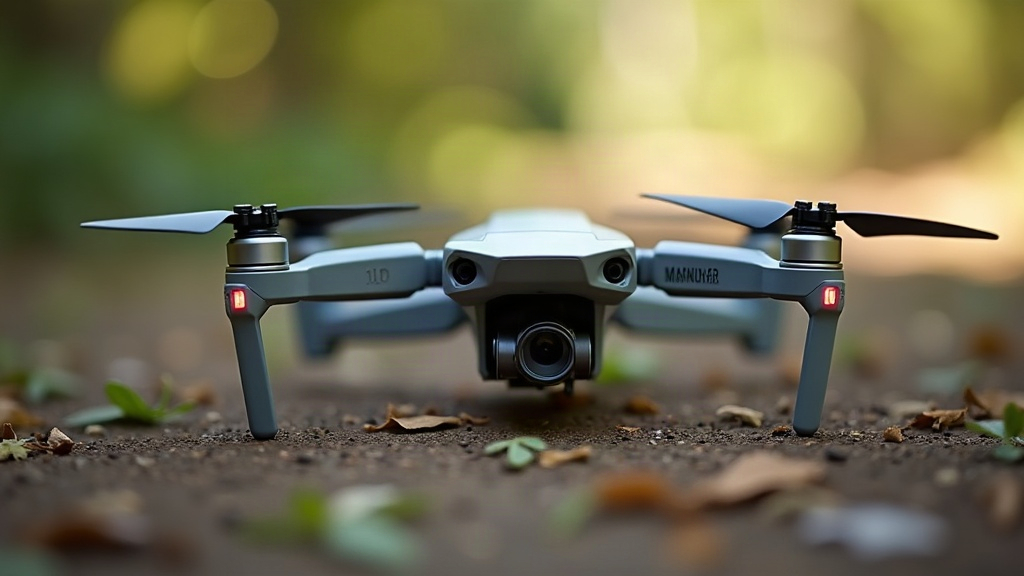
If your drone battery looks puffed up like a tiny pillow, stop using it right now. A swollen drone battery almost always means the lithium polymer (LiPo) cells inside have broken down and started releasing gas, and that can end in fire or a chemical leak if you keep handling it like normal. Here’s why this happens, how to catch the warning signs before things get ugly, and the safest way to get rid of a swollen battery without turning your drone bag, your garage, or your local landfill into a hazard.
What Causes a Drone Battery to Swell?
Most drone batteries run on LiPo chemistry. It’s light, it’s powerful, but it doesn’t forgive rough handling. Swelling happens when a chemical reaction inside the cells produces gas with nowhere to go, so the pouch stretches and puffs out.
Common causes include:
- Overcharging or undercharging - Push past 4.2V per cell, or let it drop below 3.0V, and you’re stressing the chemistry enough to trigger gas buildup.
- Physical damage - A hard crash, a prop nicking the casing, even dropping the battery on a concrete floor can rupture the internal layers.
- Heat exposure - Leave it in a hot car, charge it under direct sun, or fly aggressively on a 95°F day, and degradation speeds right up.
- Age and cycle count - Most LiPo packs are rated for 200-300 charge cycles. Past that mark, internal resistance climbs and swelling becomes a lot more likely.
- Storing at full charge - Keep a pack sitting at 100% for weeks instead of dropping it to storage voltage (around 3.8V per cell), and you’re speeding up the breakdown.
- Using a low-quality or mismatched charger - A charger that doesn’t balance cells properly can overcharge one cell even when the overall pack voltage reads fine.
Warning Signs You Shouldn’t Ignore
A battery rarely swells out of nowhere. Keep an eye out for:
- A puffy, rounded shape where it used to be flat and rectangular
- Flight times dropping noticeably compared to when the pack was new
- A battery that’s warm to the touch before you’ve even flown
- A faint chemical smell, sometimes described as “fishy”
- Trouble fitting it back into the drone’s battery slot or your charging bag
Spot any of these and pull the battery from service immediately. Keep charging or flying it anyway, and you’re rolling the dice on thermal runaway, the chain reaction that turns a damaged cell into an actual fire.
Is It Safe to Keep Using a Slightly Swollen Battery?
No. Even a tiny bit of puffing, the kind some pilots dismiss as “just 1-2mm,” means the cells are damaged internally, and that damage doesn’t reverse itself. DJI, Autel, and basically every reputable third-party LiPo maker say the same thing: any visible swelling, retire the battery. There’s also a practical reason beyond safety. A swollen pack throws off your drone’s weight balance, and that alone can cause twitchy, unpredictable flight behavior.
How to Store a Swollen Battery Before Disposal
Until you can get it to a proper disposal point:
- Put it in a fireproof LiPo safety bag or a metal container, nothing else will do.
- Keep it far from flammable stuff, sunlight, and heat sources.
- Don’t puncture it, don’t crush it, and definitely don’t try to “fix” it yourself.
- If it’s still safe to handle, discharge it to storage voltage, but check the voltage first. Readings way out of normal range mean you skip this step entirely and go straight to disposal.
How to Dispose of a Swollen Drone Battery Safely
In most places, LiPo batteries count as hazardous waste. That means no regular trash, no curbside recycling bin, period.
Step-by-step disposal process:
- Fully discharge the battery. Use a dedicated LiPo discharger, or submerge it in a saltwater bath (about 1 tablespoon of salt per liter of water) for 1-2 weeks outdoors, somewhere well-ventilated and nowhere near anything flammable. This neutralizes the cells.
- Tape the terminals with electrical tape so nothing shorts out during transport.
- Find a certified e-waste or battery recycling center. Plenty of hardware stores (Best Buy and Home Depot in the US, similar chains elsewhere) take LiPo batteries for free, and so do most municipal hazardous waste facilities.
- Check for manufacturer take-back programs. DJI and other major drone brands often team up with recycling services and will send you a prepaid shipping label for a damaged battery.
- Never toss it in household trash or a standard recycling bin. Garbage trucks compress everything, and that pressure can puncture the pouch and start a fire mid-route.
Preventing Future Swelling
- Only charge with a balance charger matched to your battery’s cell count
- Store at 40-60% charge (storage voltage) whenever you won’t be flying for a few days or more
- Keep batteries at room temperature, ideally tucked in a dedicated LiPo bag
- Retire any pack older than 2-3 years, or past 300 cycles, even if it still looks fine
- Check the battery before every single flight. Swelling, dents, discoloration, any of these are red flags worth stopping for
Final Thoughts
A swollen drone battery is basically your gear telling you, loud and clear, that it’s done. Don’t squeeze in one more charge or tell yourself you’ll “just fly carefully.” The fire risk and chemical exposure simply aren’t worth it. Discharge it the right way, tape those terminals, and get it to a certified recycling location. A few extra minutes of caution is a small price for protecting your drone, your home, and everyone standing nearby.