DJI Mini SE to 3-Inch Cinewhoop: Flight Dynamics Guide
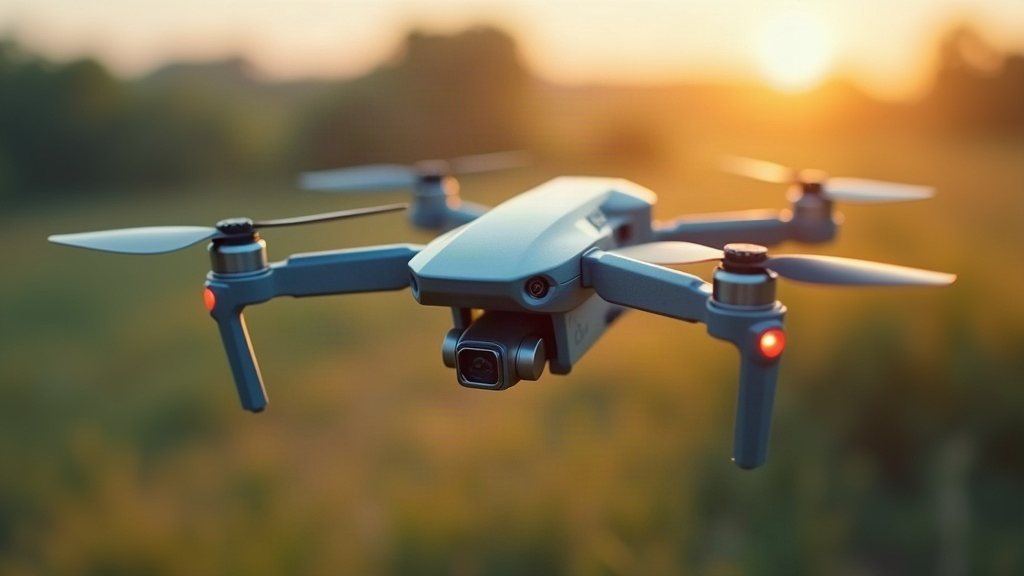
From DJI Mini SE to a 3-Inch Cinewhoop: What Actually Changes
Jumping from a DJI Mini SE to a 3-inch cinewhoop isn’t really about money. A decent cinewhoop kit might cost less than the Mini SE did. The real gap is philosophical: one drone flies itself, the other demands your full attention every second it’s in the air. The Mini SE is GPS-stabilized, beginner-friendly, practically idiot-proof. A 3-inch cinewhoop is a manual FPV machine with ducted props, built for darting through doorways and buzzing past people’s heads. Here’s exactly what changes in handling, stability, speed, and control, so your first flight doesn’t end with a wall.
Why the Jump Feels So Different
The Mini SE leans on GPS lock, optical flow sensors, and a pile of flight-assist software to hold itself in place. Let go of the sticks and it just… hovers. Sits there. Waits for you.
A cinewhoop does none of that out of the box. Most pilots fly them in acro mode, where pitch, roll, and yaw respond directly to stick input with zero self-leveling. Let go of the sticks mid-flight and the thing doesn’t hover politely, it drifts, tumbles, or flips, and keeps going until you tell it otherwise.
That’s the adjustment that trips people up the most: you’re moving from a drone that corrects your mistakes to one that amplifies them.
What Changes in Flight Dynamics
1. No Self-Leveling (Unless You Ask For It)
Most cinewhoops run Betaflight, which gives you both acro and angle/horizon modes. If you’re coming from DJI, don’t be a hero on day one:
- Start in angle mode (self-leveling) and get your bearings
- Practice slow hovers and gentle movements before anything fancy
- Switch to acro mode once it feels natural, that’s where the smooth, cinematic cinewhoop footage actually comes from
2. Way More Agility, Way Less Stability
A 3-inch cinewhoop typically weighs 120-250g depending on battery and build, lighter than the Mini SE’s 249g even though they sit in roughly the same weight class on paper. The real difference is power-to-weight: brushless motors tuned for punch, not battery efficiency. So expect:
- Faster pitch and roll response, a tiny stick nudge produces a reaction that feels anything but tiny
- Less resistance to wind, gusts toss a cinewhoop around far more than they’d bother a Mini SE
- Sharp yaw authority, great for tight spins, easy to overdo when you’re still learning the feel
3. Manual Throttle, No Auto-Hover
Push the throttle up on a Mini SE, let go, and it holds altitude. Done. On a cinewhoop, throttle is just a raw power percentage. Center stick does not mean “stay put at this height,” it just means whatever throttle value happens to sit at center. You’re constantly nudging it up and down to hold altitude, which matters a lot indoors, where cinewhoops really earn their keep.
4. Proximity Flying Is the Whole Point
Cinewhoops have ducted (shrouded) propellers specifically so you can fly close to people, walls, furniture, whatever, without turning a prop strike into a trip to the ER. Try that with a Mini SE’s exposed blades and you’re asking for trouble. This changes how you think about flying:
- Maneuvers get tighter and more deliberate, you’re threading needles, not cruising open fields
- Crashes happen, and that’s fine, the ducts are there precisely to absorb the hits while you’re learning
- You’ll want FPV goggles or at least line-of-sight for real precision; framing a shot on a phone screen the way you did with the Mini SE just doesn’t cut it here
Practical Tips for a Smooth Transition
- Fire up a simulator first. Liftoff or Velocidrone let you crash a hundred times in acro mode before you ever risk a real prop.
- Start in angle mode, even if acro is the end goal. It cuts weeks off the learning curve.
- Expect to crash, a lot at first. The ducts forgive plenty, but dialing in throttle and yaw takes real repetition, not theory.
- Learn to track battery time yourself. No GPS return-to-home safety net here, and packs typically give you 3-5 minutes of flight before you’re looking for a landing spot.
- Practice indoors at low throttle first, props on, open room, before you try anything outdoors or close to objects.
Is the Upgrade Worth It?
If you want footage with movement a GPS drone simply can’t fake, flying through a doorway, orbiting a subject at arm’s length, chasing action two feet off the ground, a 3-inch cinewhoop opens up a completely different creative toolbox. But be honest with yourself about the tradeoff: you’re going from point-and-shoot to a genuine manual flying skill, and that takes time to build.
Conclusion
Moving from a DJI Mini SE to a 3-inch cinewhoop means trading automation for raw control. No self-leveling by default, twitchier and faster handling, manual throttle, and a whole new focus on flying close to things instead of avoiding them. Start in angle mode, put in the hours on a simulator, and give yourself a few weeks to adjust. Most pilots who stick with it end up saying the same thing: the creative freedom was worth every early crash.