Analog vs Digital FPV: Best Pick for Backyard Bashing 2026
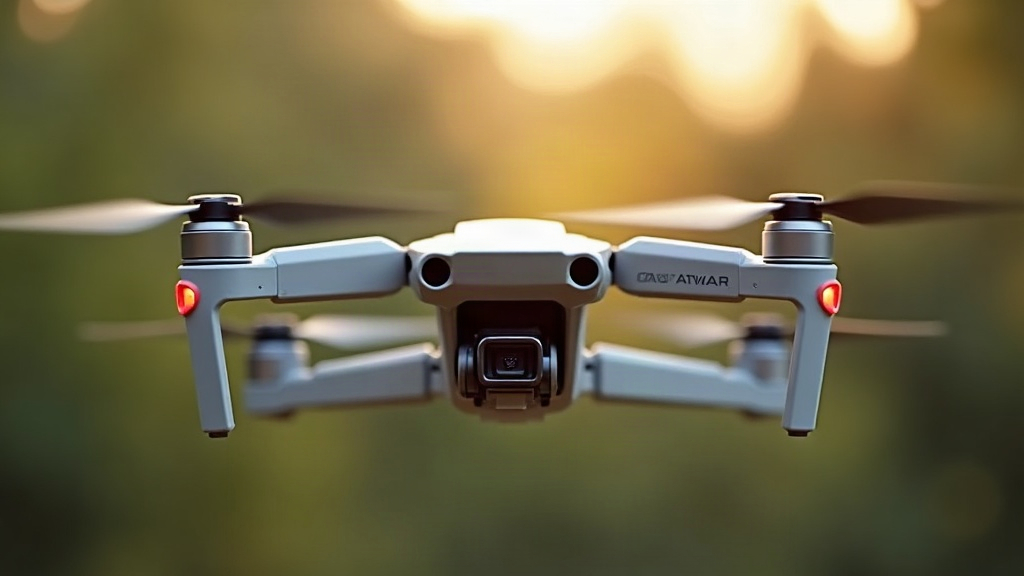
If you’re flying FPV in your backyard just for fun rather than racing or chasing a podium, the analog vs digital debate really boils down to one question: do you want cheap, forgiving gear that works the moment you turn it on, or a sharper picture that costs more and punishes mistakes a little harder? For most backyard bashers, analog FPV is still the smarter starting point. Digital earns its keep once you actually care about video clarity and you’ve stopped crashing every other flight.
What “Backyard Bashing” Actually Needs
Backyard bashing is short, low-stakes flying around trees, fences, and whatever junk is sitting in your yard. The priorities here are nothing like racing or long-range cruising:
- Durability beats image quality, every time
- Low cost per crash, because you will hit that fence post eventually
- Fast binding and goggle setup, since sessions are often just 10 minutes before dinner
- Minimal latency so you don’t clip a branch you swore you saw coming
Both analog and digital can get the job done here. They just go about it in very different ways.
Analog FPV: Still the King of Casual Flying
Analog video (think the classic 5.8GHz gear from Eachine, TBS, or Foxeer) has been around for well over a decade. It’s had time to mature into something dirt-cheap and stupidly reliable.
Why it works for backyard flying:
- Cost: A full setup, camera, VTX, goggles included, runs somewhere around $60-150. Compare that to $250-400+ for a digital rig.
- Zero latency: Analog is basically instant. No compression delay to wait on, which actually matters when you’re threading a gap between two branches.
- Graceful degradation: Signal gets weak? You get static and a noisy picture, but it’s usually still flyable. No frozen frame, no sudden blackout.
- Crash tolerance: Analog cameras cost $5-15 to replace. Smash three of them in an afternoon and you’ve barely spent the price of a pizza.
The downsides:
- Resolution is modest, typically in the 480-700 line range
- Gets noisy in RF-crowded spots, apartment complexes or any neighborhood where three other pilots are flying at once
- Judging distance in low light is genuinely harder
Digital FPV: Clarity at a Price
Digital systems, DJI O3/O4, Walksnail Avatar, HDZero, push a much cleaner, higher-resolution image with far less visual grain.
What you get:
- Image quality: Close to HD. Tight gaps and dim evening flights become noticeably easier to judge.
- Better behavior in noisy RF environments: In a lot of real-world backyard and urban settings, digital just handles interference better.
- Sharper OSD and telemetry overlays, easy to read at a glance instead of squinting through static.
The tradeoffs:
- Latency: Still just a few milliseconds more than analog. Rarely a dealbreaker, but pilots who’ve flown analog for years will feel it.
- Crash costs add up fast: A cracked VTX or air unit runs $50-100+ to replace. That’s not pocket change if you’re still learning to fly.
- Total system cost: Goggles alone can run $300-500, sometimes more.
- Failure mode: When the signal drops, digital tends to glitch or freeze solid instead of fading gracefully. Not ideal when you need a split second to dodge a fence post.
Side-by-Side Comparison
| Factor | Analog | Digital |
|---|---|---|
| Entry cost | $60-150 | $250-500+ |
| Latency | Near-zero | Low, but slightly higher |
| Image quality | Lower (noisy) | HD, crisp |
| Crash replacement cost | Very low | Moderate-high |
| Signal degradation | Gradual (static) | Abrupt (freeze/glitch) |
| Best for | Beginners, tight budgets, crash-prone flying | Pilots who value visuals and fly more carefully |
So Which Should You Choose?
Go analog if:
- You’re new to FPV and crashing is basically guaranteed (it is, for everyone)
- Your budget is tight
- You mostly fly in daylight, open backyard, nothing fancy
- You want to put on goggles and fly, no menus, no fuss
Go digital if:
- Your stick skills are solid and crashes are the exception now, not the rule
- You fly at dusk or through tighter obstacle courses where clarity actually changes outcomes
- You’re fine paying more each time you break something
- You’re building a quad meant to last seasons, not just get you through one summer of bashing
A Practical Middle Ground
A lot of backyard pilots start on a $100 analog micro quad, build up some confidence (and crash a hundred times doing it), then swap a digital VTX onto a sturdier frame once they’re flying cleanly. It’s a staged approach, and it means you’re not paying $80 every time you misjudge a gap during the clumsy early-learning phase.
Final Verdict
For pure backyard bashing, low stakes, frequent crashes, tight budgets, analog FPV wins on practicality. It’s cheap to fly, cheap to break, and forgiving when the signal gets rough. Digital is the natural upgrade once your flying smooths out and the better picture is actually worth paying for. Neither choice is wrong. It really just comes down to where you are in your FPV journey, and how much you’re willing to spend every time you hit a tree.