Navigating Sub-250g Drone Regulations in European National Parks
Sub-250g Drone Regulations in European National Parks: What Pilots Actually Need to Know
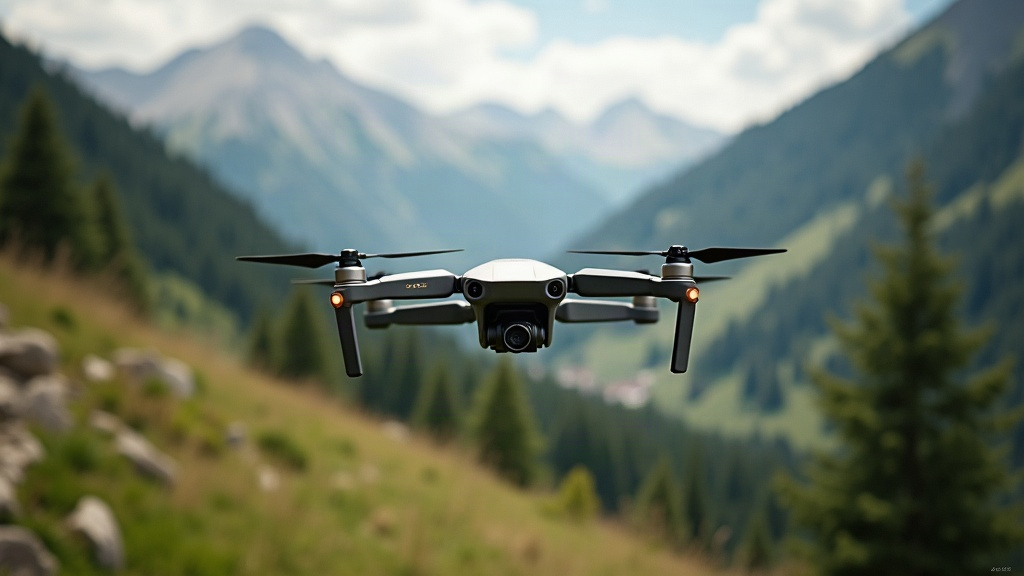
Traveling across Europe with a lightweight drone, something like a DJI Mini, is practically a rite of passage for aerial photographers these days. Because these little machines weigh less than 250 grams, they slot into the European Union Aviation Safety Agency (EASA) Open Category A1, which happens to be the most forgiving tier of drone regulation on the continent. That sounds great on paper. But here’s where a lot of pilots trip themselves up: they read “lenient rules” and translate it in their heads to “fly anywhere.” When it comes to protected nature reserves, that assumption falls apart fast. Navigating sub-250g drone regulations in European national parks means dealing with a completely separate rulebook, and in nearly every case, local environmental and wildlife protection laws override the general EASA framework without hesitation.
The “Sub-250g Loophole” Myth in National Parks
Under standard EASA rules, drones under 250g can legally fly over uninvolved people (crowds are still off-limits) and pilots generally face lighter certification requirements. It’s easy to see why so many recreational flyers walk away thinking they’ve got a golden ticket, a device small enough to slip past any restriction.
National parks don’t see it that way. To a ranger patrolling a reserve, or to a regional wildlife officer, a 249-gram drone buzzing overhead is still a noisy intruder that can spook nesting birds, rattle grazing animals, and ruin the peace and quiet hikers came for in the first place. Across the continent, huge swaths of land fall under the Natura 2000 network, a coordinated system of ecologically protected zones. In these areas, weight class means almost nothing. Drone flights of any size are heavily restricted, and in many spots, banned outright unless you’ve secured a specific, pre-approved permit.
How Major European Destinations Handle Sub-250g Drones
Every country applies EASA’s baseline rules a little differently once environmental zoning gets involved. Here’s a look at how three of the most-visited destinations actually enforce things on the ground.
France
France takes its Parcs Nationaux (National Parks) and Réserves Naturelles seriously, and I mean seriously. Flying any drone inside these zones, no matter how light, is prohibited without written authorization from the park director. That kind of permit is almost never handed out to hobbyists; it’s reserved for scientific research teams or major commercial film productions with serious paperwork behind them.
- Essential Tool: Check the official Géoportail map before you even think about taking off. If your target area shows up in red, your Mini stays in the bag.
Italy
Italy’s landscapes, the Dolomites especially, are stunning, but much of that terrain sits inside regional or national park boundaries. EASA airspace rules technically apply, sure, but Italian environmental authorities layer their own restrictions on top, specifically targeting take-offs and landings within park limits to keep wildlife undisturbed.
- Essential Tool: Register with the D-Flight portal and actually use it. A surprising number of Italy’s natural parks show up as “Red Zones” on that map, which translates to zero flying without a localized, site-specific permit.
Spain
Spain has some of the tightest bird-protection enforcement in Europe. In parks like Picos de Europa or Teide on Tenerife, recreational drone flights are banned, full stop, no exceptions for size. Fly near a coastal cliff or protected reserve during nesting season and you could be looking at immediate legal consequences, not a warning.
- Essential Tool: Download the ENAIRE Drones app, the official interactive reference. It marks out restricted zones (Zonas ZEPA / Natura 2000) clearly, and no, being under 250g doesn’t earn you an exemption there.
Steps for Flying Legally Near Protected Areas
Want great nature footage without a fine (or a confiscated drone) to go with it? You’ll need to do a bit of homework before you even leave home. Here’s the checklist:
- Check the Official State Map, Not Just DJI’s App: The built-in DJI Fly map is convenient, but it often misses or oversimplifies localized environmental no-fly zones. Pull up the country’s actual civil aviation map instead, whether that’s Géoportail, D-Flight, or ENAIRE.
- Watch for Signage on the Ground: Trailheads at national parks almost always post signboards. See a drone icon with a red slash through it? That ban applies to your 249g quadcopter just as much as it does to a heavy commercial rig.
- Shoot from the Perimeter: You can often capture jaw-dropping footage by launching from just outside a park’s boundary and angling your camera inward, as long as the airspace you’re actually flying in is unrestricted. A ridge line or valley edge just past the border can still give you the shot.
- Apply for Permits Months Ahead: If you’ve got a legitimate commercial reason to fly inside a park, reach out to the park authority early, think months, not weeks. Expect to submit flight plans, risk assessments, and proof of insurance before anyone signs off.
The Cost of Breaking the Rules
European authorities don’t accept “I didn’t know” as an excuse, and they’ve made that pretty clear in how they enforce things. Get caught flying an unauthorized sub-250g drone inside a national park and the penalties can be steep.
Fines usually start around €500, but they climb into the thousands quickly if wildlife disturbance is involved, especially with endangered species. On top of that, rangers and local police are legally entitled to seize your drone, memory cards, and controller right there on the spot. No court date needed to lose your gear for the day.
Conclusion
Being under 250 grams makes a drone easy to pack and fly almost anywhere in open airspace, but it doesn’t make it invisible to park authorities or immune to local law. Navigating sub-250g drone regulations in European national parks takes a bit of upfront research and genuine respect for the ecosystems you’re flying over. Check the official state apps, understand where Natura 2000 boundaries fall, and put the local wildlife first. Do that, and your European drone trip stays exactly what it should be: memorable, and entirely legal.