How to Protect Your Camera Drone from Overheating in Summer
Why Summer Golden Hour Is Also Prime Overheating Season for Drones
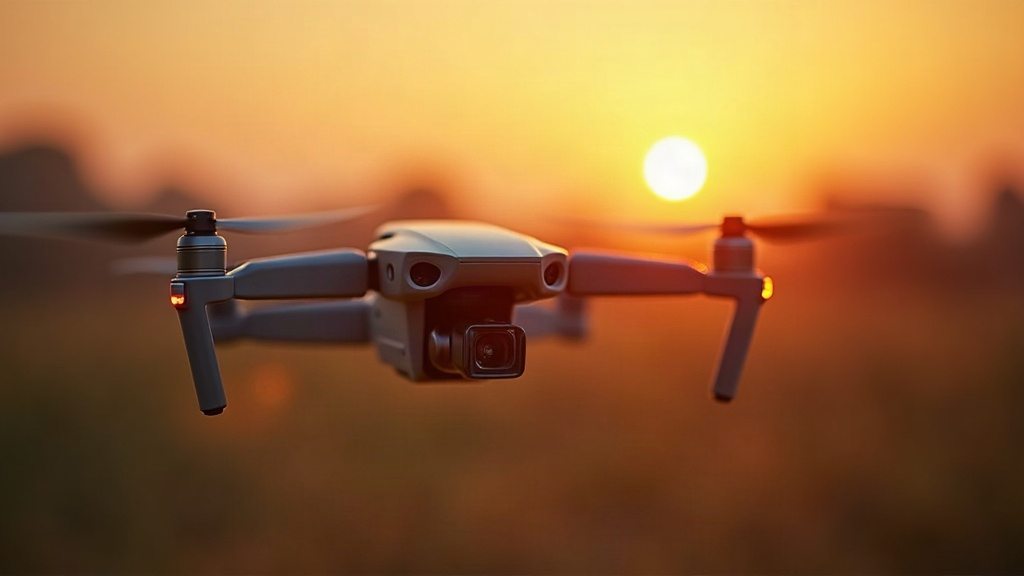
Summer golden hour is prime time for drone cinematography. Warm light, long shadows, dramatic skies, the whole package. But it’s also the season when overheating quietly ruins flights, triggers emergency landings, and chips away at battery lifespan. If you fly camera drones in summer, protecting them from heat stress isn’t optional. It’s basic gear management, the same as checking your props before takeoff.
Why Drones Overheat During Summer Golden Hour
Golden hour in summer still falls during one of the hottest stretches of the day in a lot of regions. Late afternoon heat doesn’t just vanish at 6pm, it lingers well into early evening. Stack that with:
- Direct sunlight baking the battery and motor housing
- Hot asphalt, sand, or rooftop launch pads radiating heat upward
- Continuous flight time pushing battery cells past safe temperature thresholds
- Heavy processor load from 4K/6K video recording and active tracking features
The result: a drone fighting two heat sources at once, ambient air and its own internals, right at the moment you need peak performance for the shot.
Signs Your Drone Is Overheating
Don’t wait for a crash to figure this out. Watch for:
- A “battery temperature high” or “ESC overheat” warning on your controller app
- Noticeably shorter flight time than usual
- Motors hot to the touch the second you land
- Gimbal stuttering or video dropping frames mid-flight
- The drone just refusing to take off (many models have automatic thermal lockouts baked in)
Practical Ways to Prevent Overheating
1. Pre-Cool the Battery Before Flight
Keep batteries in a shaded, insulated bag or a small cooler, not freezing cold, just out of direct sun, until 10-15 minutes before launch. A battery starting at 25°C (77°F) instead of 40°C (104°F) buys you noticeably more safe flight time. That’s the difference between finishing your shot list and cutting it short.
2. Avoid Launching from Hot Surfaces
Asphalt, concrete, and dark rooftops can hit 60°C (140°F) or more under direct summer sun, hot enough to fry an egg, let alone your drone’s belly. Launch from grass, a proper landing pad, or a car hood with a light-colored mat instead. It cuts down the radiant heat hitting the underside during takeoff and hover.
3. Shorten Flight Segments
Skip the one long 25-minute marathon flight. Break sessions into 10-12 minute chunks with 15-20 minute rest periods between batteries. That rest window gives internal components a real chance to shed heat before the next launch.
4. Fly Earlier in the Golden Hour Window
In summer, the sun angle gives you usable golden hour light earlier than most pilots expect, often 45-60 minutes before sunset. Launching at the start of that window instead of waiting for the last 15 minutes means cooler ambient temps and fewer other pilots fighting you for the same patch of sky.
5. Keep Batteries Out of the Car Dashboard or Trunk
A parked car in summer can hit 60-70°C (140-160°F) in under 30 minutes, dashboard especially. Never leave spare batteries there between flights. Use an insulated case kept in shade, or just toss it in the air-conditioned cabin.
6. Monitor Live Telemetry
Most flight apps (DJI Fly, Autel Explorer, and similar) show real-time battery and motor temperature right on screen. Set yourself a hard limit: if battery temp climbs past 50°C (122°F) mid-flight, land early. That “one more shot” isn’t worth a swollen battery or a dead cell.
7. Let the Drone Rest After Landing
Don’t zip it into the bag the moment it touches down. Let it sit in shade for 5-10 minutes after landing so the battery and ESCs cool before storage. A hot drone stuffed into a closed bag just traps the heat in and speeds up battery degradation.
Battery Health Matters Long-Term
Repeated heat exposure wears down lithium battery capacity for good, there’s no bouncing back from it. Watch for swelling, faster voltage drop, or reduced max capacity in your app’s battery health report. Any battery showing more than 20% capacity loss, or visible puffiness, should be retired. Flying it anyway risks an in-air failure, and that’s a much worse problem than a shortened session.
Quick Pre-Flight Summer Checklist
- Battery pre-cooled and under 30°C (86°F) before launch
- Launch site chosen for shade or a light-colored, cool surface
- Flight segments capped at 10-12 minutes
- Telemetry app open and visible during flight
- Spare batteries stored in an insulated case, never in direct sun
Conclusion
Golden hour footage is worth chasing, no argument there. But an overheated drone cuts the shoot short and eats into your equipment’s lifespan. Pre-cool your batteries, pick cooler launch surfaces, keep flights short, and actually watch the temperature readout instead of ignoring it. Do that and you can fly through summer’s warmest evenings without trading away performance or safety. A bit of heat management goes a long way, both for footage that looks great and a drone that’s still flying strong summers from now.