How to Fly Your FPV Drone Safely in Freezing Winter Weather
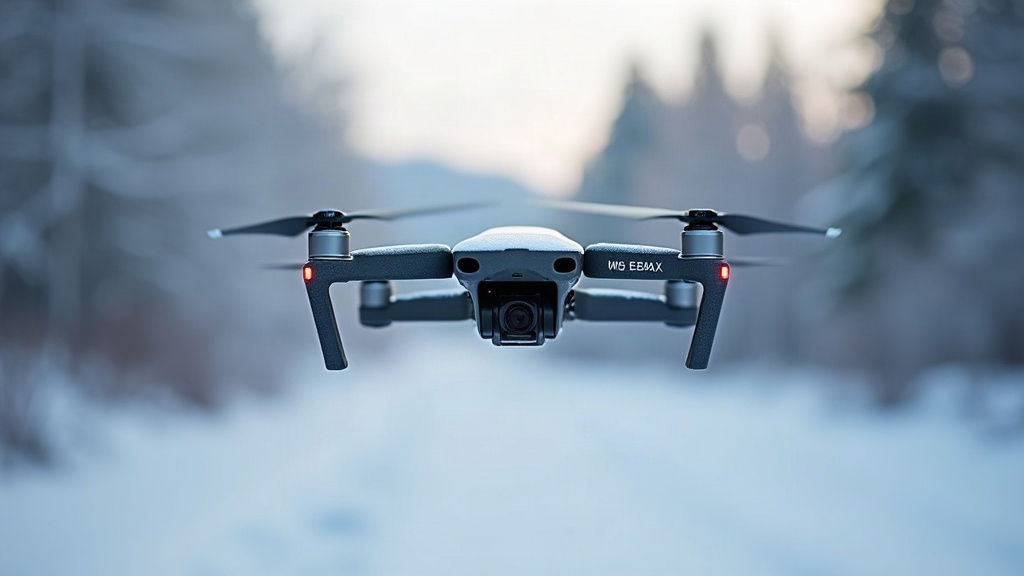
Flying your FPV drone when it’s freezing outside is absolutely doable, and honestly, it often produces some of the best aerial footage you’ll shoot all year. Crisp air, low sun, dramatic light. But cold temperatures bring real risks to your batteries, electronics, and overall flight stability. Here’s exactly how to prepare, fly, and land safely once the mercury drops below freezing.
Why Cold Weather Is Riskier for FPV Drones
Lithium polymer (LiPo) batteries are the main culprit. Below about 5°C (41°F), the chemistry inside a LiPo slows down noticeably, and that means voltage sag, shorter flight times, and sudden power cutouts that can hit you mid-flight with zero warning. Motors also have to work harder, pulling more current to push through denser air and stiffer bearing lubricant. Meanwhile plastic parts, your props, canopy, camera mount, get brittle and crack far more easily on a rough landing than they would in summer.
Pre-Flight Preparation
1. Warm Your Batteries Before Takeoff
Never launch on a battery that’s been sitting in a cold car trunk or an unheated backpack pocket. Keep them insulated, either in a padded pouch or tucked inside your jacket against your body, right up until it’s time to fly. A lot of pilots swear by small heated pouches originally made for e-bike batteries, or they just leave spares in a warm car with the engine running.
- Ideal battery temperature at launch: 15-25°C (59-77°F)
- Never charge or discharge a battery below 0°C. Do this and you risk permanently wrecking the cells
- Pack 30-50% more batteries than usual. Cold flights chew through capacity faster than you’d expect
2. Inspect Rubber and Plastic Parts
Cold stiffens rubber grommets (your vibration dampers) and turns plastic frames brittle. Before you fly, check:
- Frame arms for hairline cracks
- Prop material. Some plastics shatter almost instantly below freezing, so it’s worth switching to polycarbonate props for winter sessions
- Canopy and camera mount screws, which have a habit of loosening from thermal contraction
3. Protect Your Electronics
Moving the drone quickly between a warm house and cold outdoor air (or vice versa) causes condensation inside the flight controller and camera housing. That moisture is bad news for electronics. To sidestep it:
- Let the drone sit in its bag for 10-15 minutes to acclimate gradually before you open it up
- Drop silica gel packets into your carrying case
- Don’t breathe directly on the lens or FC board while troubleshooting outside; your warm breath is basically instant fog
During the Flight
Fly Conservative Throttle Curves
Cold, dense air actually helps motor efficiency a bit, but that gets cancelled out by voltage sag, so overall available power still drops. Ease off the aggressive full-throttle punches early in the pack, at least until you’ve got a feel for how that specific battery is behaving that day.
Watch Your OSD Voltage Closely
Bump your low-voltage warning up a notch from what you’d normally use, say 3.5V per cell instead of 3.3V. Cold batteries sag faster and their recovery is much less predictable, so you want that extra margin.
Keep Flights Shorter
Plan on 20-30% less flight time than you’d get in summer. Land with more buffer voltage than you’d normally leave yourself; a battery that looks totally fine at altitude can nosedive in voltage during a hard descent when it’s cold.
Mind Your Fingers and Goggles
- Thin, touchscreen-compatible gloves let you keep stick feel without freezing your hands off
- Anti-fog inserts or heated goggle lenses stop fogging when your warm breath meets cold lens glass
- Keep your transmitter battery warm too. TX packs suffer from the exact same cold-voltage problems as your flight batteries
After Landing
- Let the drone and its batteries warm back up to room temperature slowly before you plug in a charger (same condensation risk as before).
- Never charge a battery that’s genuinely cold. Wait until it’s at least 10°C (50°F).
- Check props and arms for stress cracks picked up during cold-weather landings.
- Wipe off any snow or moisture right away. Don’t let it sit inside a closed bag overnight.
Best Conditions for Winter FPV
- Clear, calm days below freezing but above -10°C (14°F) are totally manageable with the right prep
- Skip flying in falling snow. It kills visibility and tends to settle right on your camera lens
- Wind chill matters more for you than for the drone. Dress for the actual “feels like” temperature, since you’ll be standing around in one spot the whole flight, not moving to stay warm
Conclusion
Freezing weather doesn’t have to keep your FPV drone grounded. It just asks for a bit more discipline than a summer session. Keep the batteries warm until the last possible second, check for brittle parts before every flight, fly conservatively with a higher voltage cutoff, and give your gear time to acclimate afterward so condensation doesn’t sneak in. Get the prep right and winter FPV sessions hand you crisp air, dramatic light, and shots you genuinely can’t get any other time of year.